How to Choose the Right Water Heater for Your Home or Business
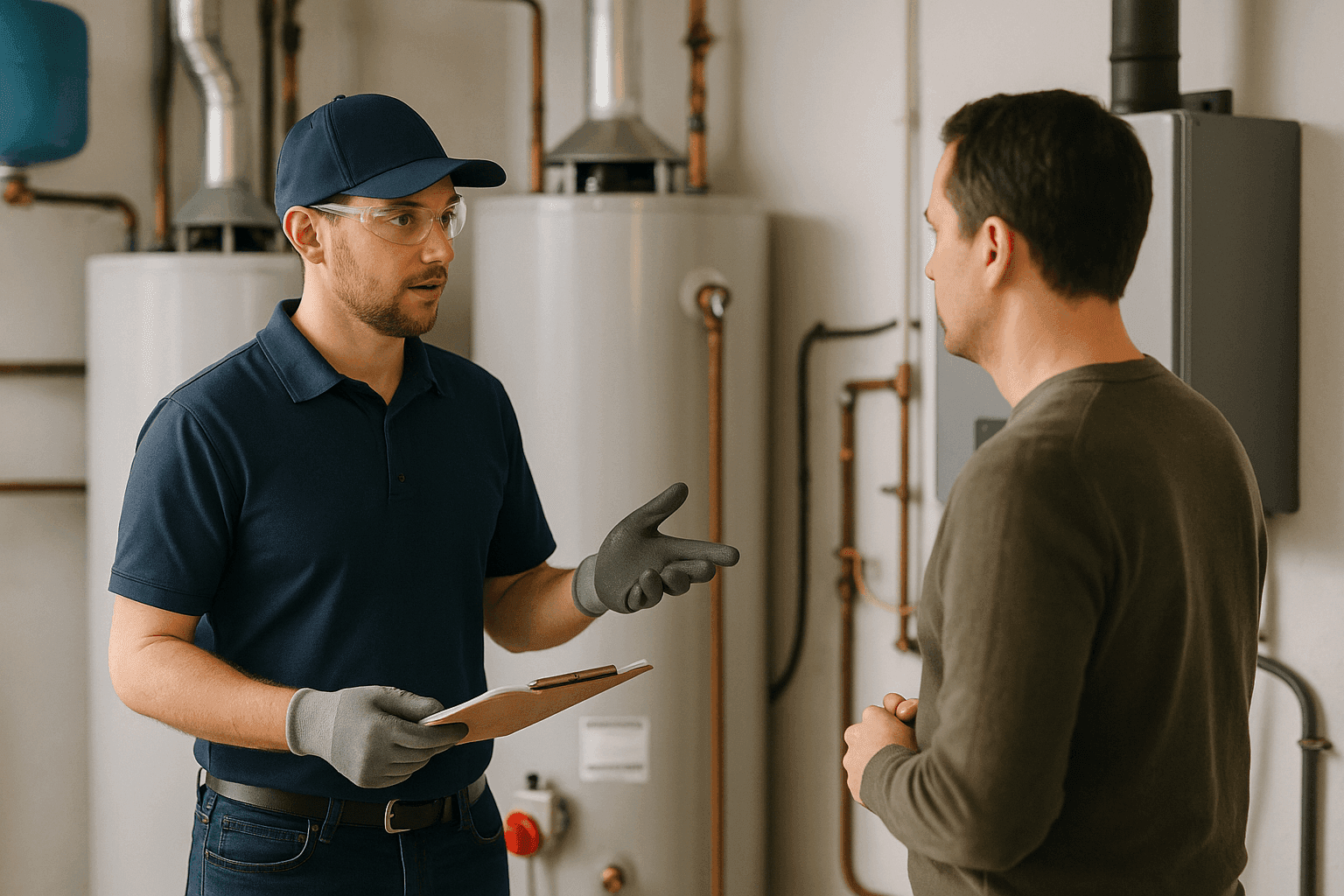
Choosing a water heater isn’t something most people think about—until the hot water runs cold. Maybe you woke up to a chilly shower. Maybe your business needs consistent hot water to keep things running smoothly. Either way, getting it right matters. The wrong water heater can mean frustration, wasted money, and even safety risks.
At McIntosh Plumbing, we know how overwhelming the choices can be. With decades of experience helping homeowners and small business owners, we’re here to break it down for you. No fluff. Just real, practical advice from the folks who install, repair, and rescue water heaters every day.
Why Choosing the Right Water Heater Matters
A water heater isn’t just a box in your basement or closet—it’s the heart of your home or business’s hot water supply. Pick the wrong size, type, or fuel source, and you could end up with cold showers, high bills, or even emergency plumbing calls. The right system keeps everyone comfortable and your operations running.
Types of Water Heaters: Pros, Cons, and What Fits Best
Let’s walk through the main types you’ll see on the market. Each has its own strengths, quirks, and best-fit scenarios.
Tank Water Heaters
These are the classic workhorses. They store and heat a large volume of water in a big insulated tank, ready to go when you need it.
Pros:
- Lower upfront cost
- Simple operation
- Reliable for steady, moderate demand
Cons:
- Takes up space
- Can run out of hot water during heavy use
- Standby heat loss (energy wasted keeping water hot)
Best for: Homes or businesses with predictable hot water needs and enough room for installation.
Tankless Water Heaters
Think of these like a coffee maker that only brews when you press the button. Tankless units heat water on demand, using powerful burners or elements.
Pros:
- Endless hot water (within flow limits)
- Compact, wall-mounted design
- Lower energy bills (no standby loss)
Cons:
- Higher upfront cost
- May need upgrades to gas lines or electrical
- Can struggle with multiple simultaneous uses
Best for: Small businesses with variable demand, homes with limited space, or anyone wanting energy savings.
Hybrid (Heat Pump) Water Heaters
These clever units pull warmth from the air (like a reverse fridge) to heat water, using electricity very efficiently.
Pros:
- Lower energy use (especially in warm climates)
- Can cool and dehumidify the surrounding area
Cons:
- Higher purchase price
- Needs space and mild temperatures to run efficiently
- Slower recovery time
Best for: Properties with moderate climates, room for a larger unit, and a desire for long-term energy savings.
Specialty Systems
- Point-of-use heaters: Perfect for a single sink or appliance.
- Solar water heaters: Use the sun’s energy, but need backup for cloudy days.
- Boilers: Often used for both hot water and heating in some businesses.
Sizing: How Much Hot Water Do You Really Need? 🛁
Think of your water heater like a pitcher. Too small, and you’ll come up short. Too big, and you’re paying to heat water you’ll never use.
For Homes
- Family size matters: One or two people? A smaller tank (30–40 gallons) may do. Big family or lots of showers? Look at 50+ gallons.
- Peak hour demand: Picture everyone showering, running the dishwasher, and doing laundry at once. That’s your peak.
- Tankless units: Check the flow rate (gallons per minute). Add up simultaneous uses—shower, sink, washer.
For Small Businesses
- Business type: Restaurant? Salon? Office? Each has unique needs.
- Hot water spikes: Consider your busiest times.
- Expansion: Plan for growth—don’t undersize.
Tip from McIntosh Plumbing: Always round up if you’re unsure. Running out of hot water during a rush is never fun.
Fuel Source Options: Gas, Electric, and More
The fuel you choose affects everything—cost, speed, installation, and even safety.
Gas Water Heaters
- Pros: Heats quickly, lower operating cost (where gas is cheap)
- Cons: Needs venting, gas lines, and regular safety checks
Electric Water Heaters
- Pros: Simple to install, no venting, quiet
- Cons: Can be pricier to run, slower recovery, may need electrical upgrades
Other Options
- Propane: Good for off-grid or remote areas.
- Heat pump: Uses electricity, but much more efficient.
- Solar: Greenest, but requires backup and bigger investment.
Safety Note: Any gas appliance must be installed to code. Always check with a licensed professional for safety and compliance.
Energy Efficiency: Saving Money Year After Year
Water heaters are rated by how efficiently they turn fuel into hot water. Look for the Energy Factor (EF) or Uniform Energy Factor (UEF)—higher is better.
- Tankless and hybrid models usually lead the pack.
- Insulation matters: Well-insulated tanks lose less heat.
- Smart controls: Modern heaters can learn your patterns and save energy.
Reference: The U.S. Department of Energy offers detailed guidelines on water heater efficiency and sizing.
Installation: What to Consider Before You Buy 🛠️
It’s tempting to just pick a model and go, but installation is where things get real.
Space and Placement
- Tank units need floor space. Measure before you buy.
- Tankless can go on walls, but need airflow and access.
- Clearances: Check codes for safe distances from walls and combustibles.
Electrical and Gas Requirements
- Upgrades may be needed for tankless or hybrid models.
- Gas lines must be sized for demand and safety.
Venting and Drainage
- Gas and propane units need proper venting.
- Condensate drains for high-efficiency units.
Permits and Codes
- Always follow local plumbing codes and manufacturer instructions.
- Some installations require permits and inspections.
Maintenance: Keeping Your Hot Water Flowing
A little care goes a long way. Regular maintenance helps avoid emergency plumbing calls and extends your system’s life.
- Flush tank heaters yearly to remove sediment.
- Check anode rods (they protect against rust).
- Inspect for leaks, corrosion, and loose connections.
- Test pressure relief valves for safety.
- Tankless units: Descale annually if you have hard water.
Tip: Schedule annual checkups. Just like a car, your water heater runs better with a little TLC.
When to DIY and When to Call a Pro
Changing the temperature? Draining sediment? That’s DIY territory for many. But installation, gas connections, and electrical work? Leave that to licensed professionals.
DIY Tasks
- Adjusting thermostat
- Flushing tank (if you’re comfortable)
- Checking for obvious leaks
Call a Pro For
- New installs or replacements
- Gas or electrical work
- Diagnosing strange noises, smells, or leaks
- Emergency plumbing situations (water everywhere, no hot water at all)
Remember: Mistakes can mean water damage, gas leaks, or even voided warranties.
What McIntosh Plumbing’s Technicians Do on Arrival
When you call McIntosh Plumbing, here’s what you can expect:
- Thorough inspection: We check the current system, connections, and surrounding area.
- Sizing and needs assessment: We ask about your usage, future plans, and any pain points.
- Safety check: We look for gas leaks, electrical hazards, and code violations.
- Professional installation: We handle permits, setup, testing, and clean-up.
- Walk-through: We show you how your new water heater works and what to watch for.
Preventing Emergencies: Maintenance and Proactive Steps 🧰
Don’t wait for a cold shower or a flooded basement. Here’s how to keep things running smoothly:
- Schedule routine inspections—especially before winter.
- Replace aging units before they fail (most last 8–12 years).
- Install leak detectors for peace of mind.
- Know the shutoff valve location in case of leaks.
Costs and Time Factors: What to Expect
Water heaters come in a range of prices. Here’s what affects the cost and timing:
- Type and size: Tankless and hybrid models cost more upfront but may save over time.
- Fuel source: Gas units often have higher install costs due to venting and line work.
- Labor: Professional installation is an investment in safety and performance.
- Permits and inspections: These add time but are required for most jobs.
- Removal of old unit: Don’t forget disposal fees.
Time: Most replacements take a few hours. Complicated installs or upgrades may take longer.
When It’s an Emergency
No hot water? Water all over the floor? Smell gas or see sparks? That’s when you need emergency plumbing help—fast.
- Turn off the water supply to the heater.
- Shut off the power or gas if safe to do so.
- Don’t try to fix major leaks or gas issues yourself.
- Call McIntosh Plumbing for immediate help.
Quick Safety Checklist
- Is your water heater more than 10 years old?
- Do you see rust, puddles, or corrosion?
- Does the pilot light go out or smell of gas linger?
- Has water pressure dropped suddenly?
- Are there strange popping or banging noises?
If you answered yes to any of these, it’s time for a professional assessment.
Special Considerations for Seasonal and Emergency Needs
- Winter: Insulate pipes and tanks to prevent freezing.
- Power outages: Consider models with battery backup or manual ignition.
- Backup hot water: For critical businesses, a secondary unit or rapid repair plan can save the day.
- Water quality: Hard water? Install filtration or softeners to protect your system.
FAQ
How long does a typical water heater last?
Most tank water heaters last 8–12 years. Tankless units can go 15–20 years with proper care.
How do I know if my water heater is failing?
Watch for lukewarm water, rusty water, strange noises, or leaks around the base.
Should I repair or replace my water heater?
If it’s near the end of its lifespan, or repairs are frequent and costly, replacement is often the smarter move.
Are tankless water heaters worth it?
For many, yes—especially if you want energy savings and never run out of hot water. But they need proper sizing and installation.
Final Thoughts
Choosing the right water heater is a big decision, but you don’t have to do it alone. Whether you need a quick fix, a full replacement, or just some honest advice, McIntosh Plumbing is here to help—day or night.
Call McIntosh Plumbing now — or reach us anytime at 888-835-0389 .