How to Detect and Fix Hidden Plumbing Leaks Before They Cause Damage
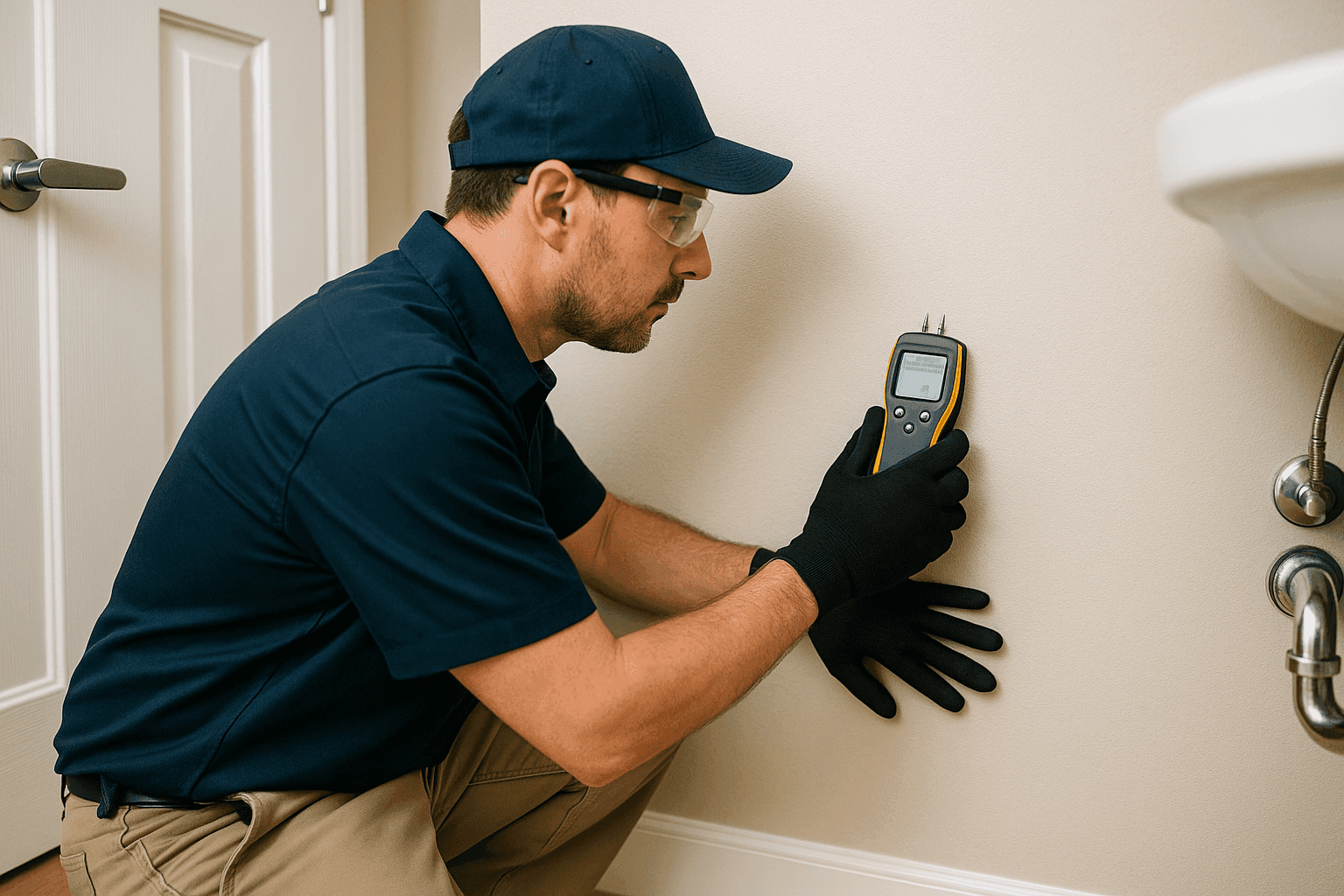
Hidden plumbing leaks don’t knock on the door. They sneak in quietly—leaving behind stains, musty smells, or an unexplained jump in your water bill. Even the smallest drip can grow into a disaster if left unchecked.
At McIntosh Plumbing, we’ve seen it all. Leaks behind walls, under floors, or in forgotten corners can cause major headaches for homeowners and small business owners. But you don’t have to wait for soggy drywall or warped floorboards to take action. With a little knowledge and some basic tools, you can catch leaks early—before they turn your property upside down.
Why Hidden Leaks Are a Big Deal
A hidden leak is like a slow leak in a boat. You might not notice right away, but eventually, the damage adds up. Water can rot wood, corrode metal, and create the perfect breeding ground for mold. According to the International Association of Certified Home Inspectors (InterNACHI), water damage is one of the leading causes of property loss.
Ignoring a leak can mean:
- Soaring water bills for no clear reason
- Mold growth, which can affect indoor air quality and health
- Structural damage to walls, floors, and foundations
- Damage to electrical systems or appliances
- Unpleasant odors that never seem to go away
Leaks don’t fix themselves. The sooner you act, the less you’ll pay in repairs and restoration.
Quick Safety Checklist 🛑
Before you start poking around, safety comes first. Water and electricity don’t mix. Here’s what to keep in mind:
- Shut off power to areas with visible water or dampness.
- Turn off the main water supply if the leak is severe or spraying.
- Wear rubber gloves and boots when working near puddles or wet spots.
- Avoid touching electrical outlets or appliances if you suspect water is nearby.
- Keep children and pets away from the affected area.
When in doubt, step back and call a licensed plumber. Safety is always the top priority.
Signs of a Hidden Plumbing Leak
Leaks rarely announce themselves with a splash. Look for these subtle clues:
- Unexplained water bill spikes: If your usage habits haven’t changed but your bill has, a leak may be lurking.
- Damp or discolored spots on walls, ceilings, or floors. These may feel cool or squishy.
- Peeling paint or wallpaper: Moisture behind the surface causes bubbling or flaking.
- Musty or earthy odors: Mold and mildew love hidden moisture.
- Mold patches in corners, behind sinks, or around tubs.
- Warped or buckling floors: Wood and laminate swell when wet.
- Sounds of running water when everything is turned off.
- Visible rust or corrosion on pipes, especially at joints or connections.
Trust your senses. If something seems off, don’t ignore it.
How to Find a Hidden Leak: Step-by-Step
You don’t need fancy gadgets to start leak hunting. Here’s how to play detective:
1. Visual Inspection
- Check under sinks, behind toilets, and around appliances.
- Look for water stains, swelling, or discoloration on walls and ceilings.
- Shine a flashlight into cabinets and crawl spaces.
2. The Water Meter Test
- Turn off all water-using fixtures and appliances.
- Note the reading on your water meter.
- Wait 1–2 hours (don’t use any water).
- Check the meter again. If the numbers have changed, water is escaping somewhere.
3. Listen for Clues
- At night, when it’s quiet, listen near pipes, walls, and floors.
- Hissing, dripping, or trickling sounds can point to trouble.
4. Use a Moisture Meter
- Moisture meters (available at hardware stores) detect dampness behind surfaces.
- Press the probes against suspicious areas to check for hidden moisture.
5. Toilet Dye Test
- Add a few drops of food coloring to the toilet tank.
- Wait 15–30 minutes without flushing.
- If color appears in the bowl, the flapper or valve may be leaking.
6. Check Appliances
- Inspect hoses and connections on washing machines, dishwashers, and water heaters.
- Look for puddles, rust, or mineral buildup.
DIY Fixes vs. When to Call a Pro
Some leaks are simple. Others hide like a fox in the henhouse. Here’s how to know the difference:
Safe DIY Fixes
- Tightening loose fittings under sinks or at appliance connections.
- Replacing a worn-out toilet flapper or faucet washer.
- Applying plumber’s tape to threaded joints (for minor drips).
- Clearing clogged drains that cause water to back up.
If you’re comfortable with basic tools and the leak is easy to reach, give it a try. Always turn off the water supply first.
Call a Licensed Plumber for:
- Leaks inside walls, ceilings, or floors
- Persistent leaks that return after a quick fix
- Water seeping near electrical panels or outlets
- Signs of mold or rot
- Large puddles or flooding
- Gas line leaks or strange odors (leave the area and call immediately)
Plumbers use specialized tools—like thermal imaging cameras and acoustic sensors—to find and fix hidden problems without tearing up your home.
What Plumbers Do When They Arrive
When you call McIntosh Plumbing for emergency plumbing, here’s what you can expect:
- Assessment: We listen to your concerns and inspect the affected areas.
- Leak Detection: Using moisture meters, infrared cameras, and pressure tests, we pinpoint the source. No guesswork.
- Containment: We shut off water to limit damage and protect your property.
- Repair: Depending on the leak, we may patch, replace, or reroute pipes. We handle everything from copper and PVC to PEX and cast iron.
- Cleanup: We remove standing water and advise on drying or mold remediation if needed.
- Prevention Advice: Before we leave, we’ll share tips to help you avoid future leaks.
Our team is trained, certified, and available 24/7 for true emergencies.
Prevention & Maintenance Tips 🛠️
An ounce of prevention is worth a pound of drywall. Keep your plumbing healthy with these habits:
- Check under sinks and appliances monthly for signs of moisture.
- Insulate pipes in unheated areas to prevent winter freezing.
- Replace old hoses on washing machines and dishwashers every 5 years.
- Install water leak detectors in basements, laundry rooms, and bathrooms.
- Test your water pressure—high pressure stresses pipes and joints.
- Schedule annual plumbing inspections to catch issues early.
- Clean drains regularly to prevent backups and pressure build-up.
The American Society of Home Inspectors recommends annual checks for all visible plumbing.
Costs & Time Factors
Plumbing repairs can range from quick fixes to major projects. Here’s what to expect:
- Small leaks (like a loose fitting or worn washer): 30–60 minutes for DIYers or pros.
- Hidden leaks (inside walls, under slabs): 2–6 hours, depending on access and repair type.
- Major pipe repairs or repiping: Several hours to a few days, especially if multiple rooms are affected.
- Water damage restoration: May require separate contractors and additional time.
Costs depend on the location, materials, and severity. Acting early keeps repair bills lower and prevents bigger headaches down the road.
When It’s an Emergency 🚨
Some leaks can’t wait. Call for emergency plumbing if you notice:
- Water pouring or spraying uncontrollably
- Major flooding in any part of your property
- Water near electrical outlets or panels
- Gas odor or hissing near gas lines
- Burst pipes during freezing weather
Shut off your main water supply and electricity (if safe) and get help right away. Quick action saves property and can prevent dangerous mold or electrical hazards.
Frequently Asked Questions
How do I know if my leak is serious?
If you see water stains, hear dripping, or notice mold, don’t ignore it. Any leak that causes visible damage or keeps returning after a quick fix is serious.
Can I just patch a leaking pipe with tape?
Temporary fixes like plumber’s tape can stop small drips, but they’re not long-term solutions. Hidden leaks often need professional repair to prevent further damage.
What if I can’t find the leak?
If you suspect a leak but can’t find it, call a licensed plumber. We use advanced detection tools to pinpoint leaks behind walls, under floors, or in hard-to-reach spots.
Will insurance cover water damage from leaks?
Many property insurance policies cover sudden and accidental leaks, but not gradual damage from neglected maintenance. Check your policy and act quickly to minimize costs.
Special Considerations for Leak Detection and Repair
- Winter Risks: Pipes can freeze and burst in cold weather. Insulate exposed pipes and keep heat on during cold snaps.
- Old Plumbing: Older homes and buildings may have outdated pipes prone to corrosion or cracking.
- Sewer Line Leaks: Slow drains, foul odors, or soggy patches in the yard may signal a sewer problem.
- Backflow Prevention: Backflow devices protect your water supply from contamination—have them tested regularly.
- Water Quality: Leaks can introduce contaminants. If you notice changes in taste, odor, or color, have your water tested.
When in doubt, call for professional help. It’s better to ask questions than to face costly repairs later.
Call McIntosh Plumbing now — or reach us anytime at 888-835-0389 .