How to Maintain Your Plumbing System Year-Round: A Homeowner’s Guide
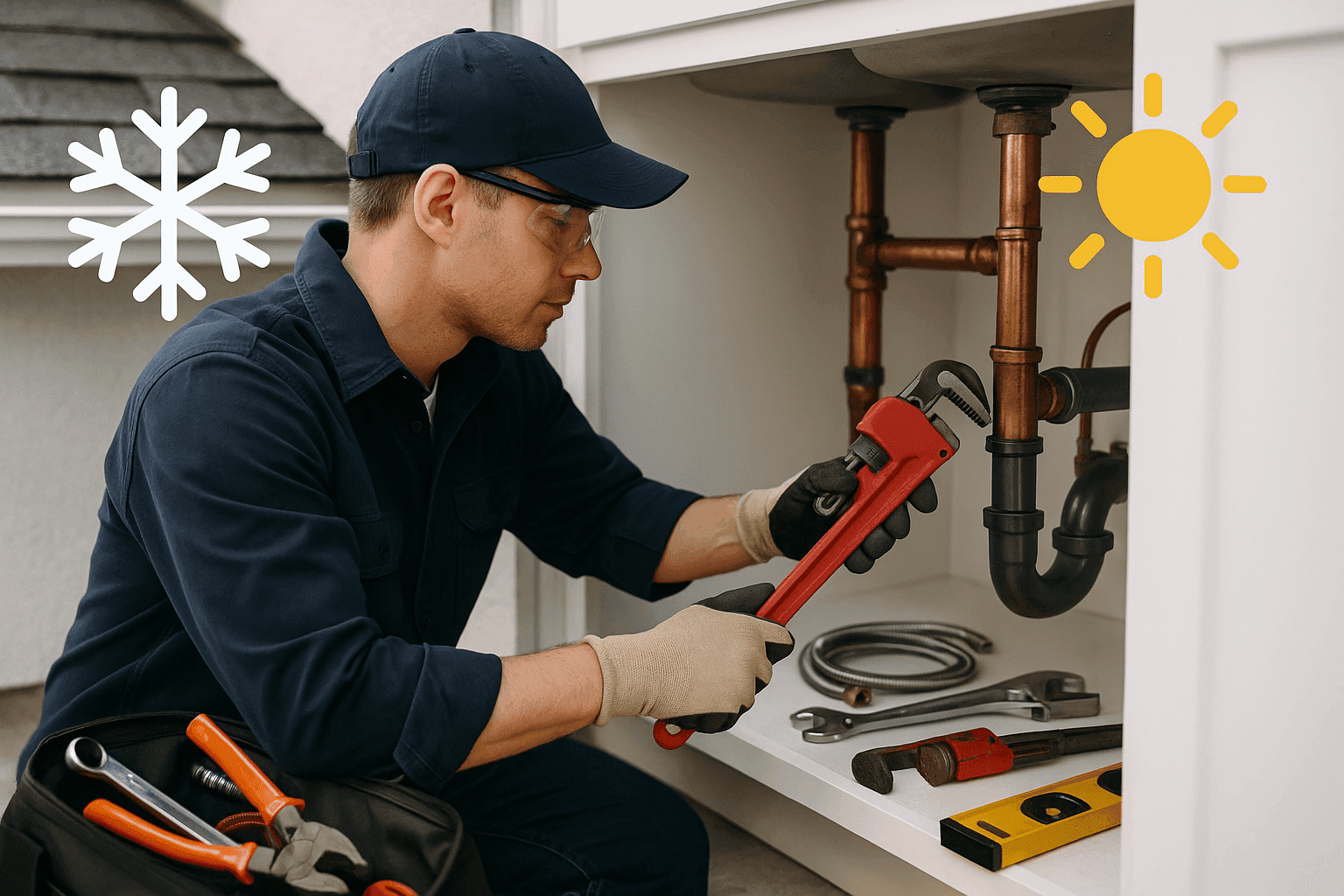
Plumbing problems never wait for a convenient time. One moment, everything’s fine—the next, you’re ankle-deep in water or wondering why your hot water vanished. Homeowners and small business owners know: a little attention now can save a lot of stress (and mess) later.
At McIntosh Plumbing, we’ve seen the headaches that come from ignored drips, slow drains, or pipes that freeze in the night. The good news? With a few seasonal habits, you can keep your plumbing healthy and avoid most emergencies.
Why Year-Round Plumbing Maintenance Matters
Think of your plumbing like the circulatory system of your home. It quietly keeps everything moving—until something clogs, leaks, or bursts. Preventative maintenance is like a yearly check-up for your pipes, drains, and fixtures. It’s not just about avoiding emergencies. It’s about protecting your investment, your comfort, and even your health.
Ignoring plumbing issues is like letting a tiny leak in a boat go unchecked. Eventually, that small drip can lead to a flood. Regular maintenance helps you spot trouble before it turns into a disaster.
Quick Safety Checklist 🛠️
Before you start poking around under sinks or in basements, keep safety first:
- Turn off water at the main shut-off valve before major checks or repairs.
- Use gloves and eye protection when working with pipes, drains, or chemicals.
- Never mix drain cleaners or use harsh chemicals if unsure—these can damage pipes and harm health.
- Be cautious with gas lines or water heaters. If you smell gas or suspect a leak, leave the area and call a professional immediately.
- Know where your emergency shut-offs are for water, gas, and electricity.
For more on plumbing safety, the International Association of Plumbing and Mechanical Officials (IAPMO) and Occupational Safety and Health Administration (OSHA) offer helpful guidelines.
Spring Plumbing Checks
Spring is a time of renewal—your plumbing needs it, too. After a long winter, pipes and fixtures can show signs of wear.
What to do:
- Inspect for leaks: Check under sinks, around toilets, and behind appliances. Look for water stains, warped flooring, or musty smells.
- Test outdoor faucets: Turn on hose bibs and outdoor spigots. If water pressure is low or you see leaks, pipes may have cracked over winter.
- Clean gutters and downspouts: Clogged gutters can force water into your foundation, stressing your sump pump and basement plumbing.
- Check sump pump: Pour a bucket of water into the pit. It should switch on quickly. If not, have it serviced.
- Drain cleaning: Clear slow drains with a plunger or hand auger. Avoid chemical drain cleaners—they can eat through pipes over time.
Warning signs: Persistent drips, puddles, or slow drains should never be ignored. These are your early warning signals.
Summer Maintenance Tips
Summer means more outdoor activity and, often, more water use. It’s also prime time for preventative care.
What to do:
- Inspect exposed pipes: Look for rust, condensation, or bulges. Summer humidity can highlight weak spots.
- Check water heater: Flush the tank to remove sediment. Sediment buildup reduces efficiency and can shorten the unit’s life.
- Garbage disposal care: Run cold water before and after use; avoid fibrous foods like celery or potato peels.
- Sprinkler system check: Leaks in underground lines can waste water and cause soggy spots in the yard.
- Toilet care: Listen for phantom flushes (the toilet running when no one’s around). This usually means a worn flapper or faulty fill valve.
Pro tip: If your water bill jumps unexpectedly, check for hidden leaks. A running toilet can waste hundreds of gallons a day.
Preparing for Fall
As leaves fall and temperatures drop, it’s time to get your plumbing ready for the cold.
What to do:
- Insulate pipes: Focus on unheated areas—garages, basements, crawl spaces. Foam pipe sleeves are easy to install.
- Shut off and drain outdoor faucets: Disconnect hoses, turn off supply lines, and drain to prevent freezing.
- Backflow prevention: If you have a sprinkler system, schedule backflow testing to meet code and protect your water supply.
- Check for slow drains: Fall leaves can clog outdoor drains. Clear debris before rain and snow.
- Test sump pump again: Heavy fall rains can overwhelm a faulty pump.
Safety tip: Gas appliances like water heaters and boilers should have annual safety checks. The National Fire Protection Association (NFPA) recommends regular inspection for all gas lines and connections.
Winter Plumbing Precautions ❄️
Winter is the season when plumbing is most at risk. Frozen pipes can burst, causing major damage.
What to do:
- Keep heat on: Even if you’re away, maintain a minimum temperature to prevent freezing.
- Let faucets drip: On especially cold nights, let a trickle of water run from faucets served by exposed pipes.
- Open cabinet doors: Allow warm air to circulate around pipes under sinks.
- Check water pressure: Sudden drops can signal a frozen or burst pipe.
- Know your shut-off valve: If a pipe bursts, quick action can minimize damage.
Warning signs: Frost on pipes, strange noises, or water stains on ceilings or walls mean it’s time to act fast.
When to Do It Yourself—and When to Call a Pro
Some plumbing tasks are safe for handy homeowners. Others are best left to professionals.
Good DIY Tasks
- Cleaning faucet aerators and showerheads
- Clearing minor clogs with a plunger or hand auger
- Replacing toilet flappers or fill valves
- Insulating exposed pipes
Call a Pro For:
- Persistent leaks or water stains
- Sewer line backups
- Gas line installation or repair
- Water heater installation or repairs
- Low water pressure throughout the house
- Backflow testing and prevention
When in doubt, it’s safer (and often less expensive) to get professional help. Emergency plumbing issues can escalate quickly.
What Plumbers Do When They Arrive
A professional plumber brings more than just tools. They bring experience, training, and an eye for hidden problems.
Here’s what to expect:
- Thorough inspection: Pros follow plumbing codes and safety standards. They’ll check for leaks, corrosion, blockages, and improper installations.
- Accurate diagnosis: Using specialized equipment (such as video pipe inspection cameras or leak detection tools), plumbers can pinpoint issues without guesswork.
- Safe repairs: Licensed plumbers know how to safely handle gas lines, water heaters, and high-pressure pipes.
- Preventative advice: You’ll get practical tips to avoid future problems.
According to the Uniform Plumbing Code (UPC), all installations and repairs should meet strict safety and quality standards.
Prevention & Maintenance: Your Year-Round Checklist
Staying ahead of plumbing issues is all about routine. Here’s a simple checklist to keep things running smoothly:
- Monthly: Check for leaks under sinks, around toilets, and behind appliances. Test all drains for slow flow.
- Quarterly: Inspect exposed pipes for rust, condensation, or wear. Clean faucet aerators.
- Twice a year: Flush your water heater. Test your sump pump. Check outdoor faucets and hoses.
- Annually: Schedule a professional inspection—especially for gas lines, water heaters, and backflow devices.
Bonus tips:
- Avoid pouring grease down drains.
- Use drain screens to catch hair and debris.
- Know the age and material of your pipes—older pipes may need repiping.
Costs & Time Factors
Plumbing maintenance doesn’t have to break the bank, but costs can add up if issues are ignored.
- DIY supplies: Simple tasks like replacing a flapper or cleaning a drain are inexpensive and take under an hour.
- Professional inspections: A routine checkup may take 1–2 hours, depending on the size of your home or business.
- Repairs: Small leaks or clogs can often be fixed quickly. Major repairs, like water heater replacement or sewer line work, may take several hours to a full day.
Keep in mind: catching problems early almost always costs less than dealing with emergency plumbing disasters.
When It’s an Emergency
Some plumbing issues can’t wait. If you notice any of these, call for emergency plumbing help immediately:
- Sudden loss of water pressure
- Burst pipes or flooding
- Sewage backups or foul odors
- Gas smells near appliances or lines
- Water heater leaks or strange noises
Quick action can prevent property damage and health risks.
Frequently Asked Questions
How often should I have my plumbing inspected?
At least once a year, especially for older homes or businesses. More often if you notice recurring issues.
Is it safe to use chemical drain cleaners?
Most professionals recommend against it. Chemicals can damage pipes and harm the environment. Mechanical methods (like plungers or augers) are safer.
What’s the best way to prevent frozen pipes?
Insulate exposed pipes, keep your heat on, and let faucets drip during extreme cold snaps.
Can I install a water heater myself?
It’s safer and often required by code to have a licensed plumber handle installation. Incorrect installation can cause leaks, water damage, or even explosions.
Special Considerations for Homeowners and Small Business Owners
Plumbing issues don’t discriminate. But the stakes can be higher for small businesses—lost time means lost income. Preventative maintenance is even more critical when customers or employees rely on your facilities.
- Schedule maintenance for off-hours to minimize disruption.
- Keep records of inspections and repairs—these can be important for insurance or compliance.
- Educate staff or family members on where shut-off valves are and what to do in an emergency.
No matter the size of your property, the same principles apply: regular attention, quick action on warning signs, and professional help when needed.
Taking care of your plumbing system is a year-round job, but it doesn’t have to be overwhelming. With these seasonal tips and a little routine care, you can keep water flowing smoothly and emergencies to a minimum.
Call McIntosh Plumbing now — or reach us anytime at 888-835-0389 .