How to Prepare Your Plumbing for Seasonal Weather Changes
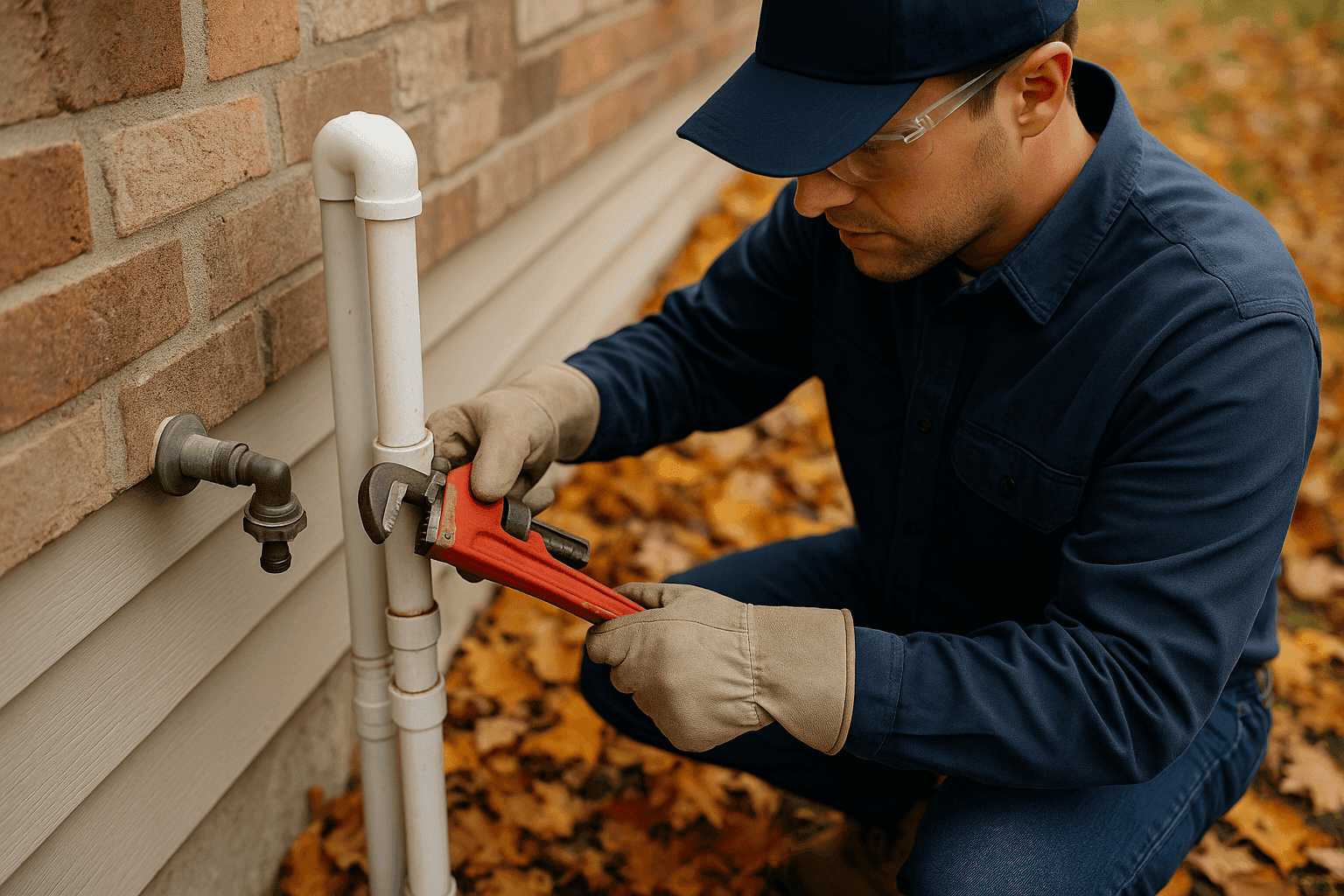
Every season brings its own set of challenges. One day it’s a deep freeze, the next it’s a heatwave. Your plumbing feels it all. Pipes, fixtures, and drains can’t talk, but they sure can scream when things go wrong.
At McIntosh Plumbing, we’ve seen firsthand how quick weather swings can turn a small drip into a full-blown emergency. The good news? With a little know-how and some regular care, you can keep your plumbing running smoothly—no matter what the forecast throws at you.
Why Seasonal Weather Changes Stress Your Plumbing
Plumbing is a bit like a marathon runner. It’s built to last, but sudden changes—like freezing nights or scorching afternoons—can push it to the limit. Here’s what happens:
- Winter cold can freeze water in your pipes. Water expands as it freezes, and that pressure can split even the toughest pipe like a twig.
- Hot summers can dry out seals, shrink gaskets, and even cause pipe materials to warp or crack.
- Heavy rains or sudden thaws can overwhelm drains and sump pumps, leading to backups or even flooding.
Ignoring these changes is like driving on bald tires before a snowstorm. So let’s get ahead of the curve.
Quick Safety Checklist for Seasonal Plumbing Prep 🛠️
Before the next big temperature swing, run through this checklist:
- Shut off and drain outdoor faucets before the first freeze.
- Insulate exposed pipes in basements, attics, garages, and crawl spaces.
- Check for leaks around toilets, sinks, and appliances.
- Flush your water heater to remove sediment (especially before winter).
- Test your sump pump by pouring in a bucket of water.
- Clear gutters and downspouts to keep water away from your foundation.
- Inspect washing machine hoses for cracks or bulges.
- Listen for odd noises from pipes or fixtures—gurgling, banging, or whistling can signal trouble.
A few minutes now can save you a world of hassle later.
DIY or Call a Pro? Knowing Your Limits
Some plumbing prep is a breeze—like wrapping pipes with foam sleeves or checking for drips. But other jobs? They’re best left to someone with the right tools and training.
DIY-friendly tasks:
- Insulating pipes with store-bought sleeves or tape
- Draining outdoor spigots
- Cleaning out gutters
- Checking appliance hoses
Call a professional if you notice:
- Persistent leaks or wet spots on walls/floors
- Water pressure suddenly dropping
- Rusty or discolored water
- Sewer odors indoors or outside
- Noisy pipes that don’t quiet down
If you’re ever unsure, don’t risk it. Plumbing mistakes can get expensive fast.
What Plumbers Do When They Arrive
When you call McIntosh Plumbing for seasonal prep or an emergency, here’s what you can expect:
- Thorough inspection: We check pipes, valves, and fixtures for hidden issues.
- Leak detection: Using specialized equipment to find even the smallest leaks.
- Winterization: Draining lines, insulating vulnerable pipes, and advising on safe thermostat settings.
- Sump pump and backflow testing: Ensuring your defenses are ready for storms or floods.
- Fixture checks: Looking at toilets, faucets, and appliances for signs of wear or malfunction.
- Gas safety checks: For properties with gas lines or water heaters, safety comes first.
We follow plumbing codes and safety guidelines set by organizations like the International Association of Plumbing and Mechanical Officials (IAPMO) and the American Society of Plumbing Engineers (ASPE).
Prevention & Maintenance: The Best Defense
Think of seasonal maintenance as an insurance policy for your plumbing. Here’s what to do:
Winterizing Pipes
- Insulate every exposed pipe, especially those near exterior walls.
- Let faucets drip on the coldest nights to keep water moving.
- Open cabinet doors under sinks to let warm air circulate.
- Disconnect hoses and shut off outdoor water supplies.
Summer Plumbing Care
- Check for leaks that may have developed over winter.
- Monitor water pressure—high pressure can burst hoses or pipes.
- Flush your water heater to clear out sediment.
- Inspect sump pumps and drains for debris after storms.
Year-Round Tips
- Schedule annual plumbing inspections to catch small problems early.
- Install water leak detectors for peace of mind.
- Keep an eye on your water bill—a sudden spike can mean a hidden leak.
Costs & Time Factors: What to Expect
Plumbing prep and repairs can range from a quick fix to a bigger project, depending on your system’s age and condition.
- DIY insulation: Usually takes an afternoon and costs little.
- Professional winterization: Takes 1–3 hours, depending on property size.
- Leak repairs: Can be fast if caught early, but major leaks or frozen pipes may require more time and materials.
- Emergency plumbing: Response and repair times vary based on the issue’s complexity.
Investing in preventative maintenance is almost always less costly than emergency repairs. According to the Environmental Protection Agency (EPA), fixing easily corrected leaks can save homeowners about 10% on their water bills.
When It’s an Emergency
Sometimes, despite your best efforts, things go sideways. Here’s when to call for emergency plumbing help right away:
- Burst pipes—water pouring out, flooding rooms, or spraying from walls
- Sewage backup—toilets or drains overflowing with waste
- No water—a sudden loss of water throughout your property
- Gas leaks—smell of rotten eggs or hissing near gas appliances
Turn off your main water valve if you can do so safely. Then get help immediately.
FAQ: Common Questions About Seasonal Plumbing Prep
How can I tell if my pipes are at risk of freezing?
Pipes in unheated areas (garages, crawl spaces, exterior walls) are most at risk. If you notice frost on pipes or water flow slows to a trickle during cold snaps, act fast.
What temperature should I keep my home at to prevent pipe freezing?
The U.S. Department of Energy recommends keeping your thermostat set at least to 55°F (13°C) even when you’re away.
Can I use heat tape on my own?
Heat tape can be effective but must be installed correctly to avoid fire hazards. If unsure, consult a qualified plumber.
Does summer heat really affect plumbing?
Yes. Heat can cause pipe materials to expand and contract, stressing joints and seals. High water usage in summer can also tax your system.
Special Considerations for Seasonal Plumbing
- Older homes may have outdated pipes more prone to damage from temperature swings.
- Properties with basements should pay extra attention to sump pumps and drainage.
- Businesses with high water use need regular maintenance to avoid costly downtime.
- Vacation properties left empty for long periods should be fully winterized.
No two properties are exactly alike. If you have unique plumbing features—like radiant floor heating, water filtration systems, or gas lines—regular checkups are even more important.
Call McIntosh Plumbing now — or reach us anytime at 888-835-0389 .